When a primary network fails, out-of-band management provides a separate way to access critical equipment, investigate the problem and restore service. Satellite connectivity extends this capability to remote locations where fixed-line or cellular backup may be unavailable or affected by the same outage.
What Is Out-of-Band Management?
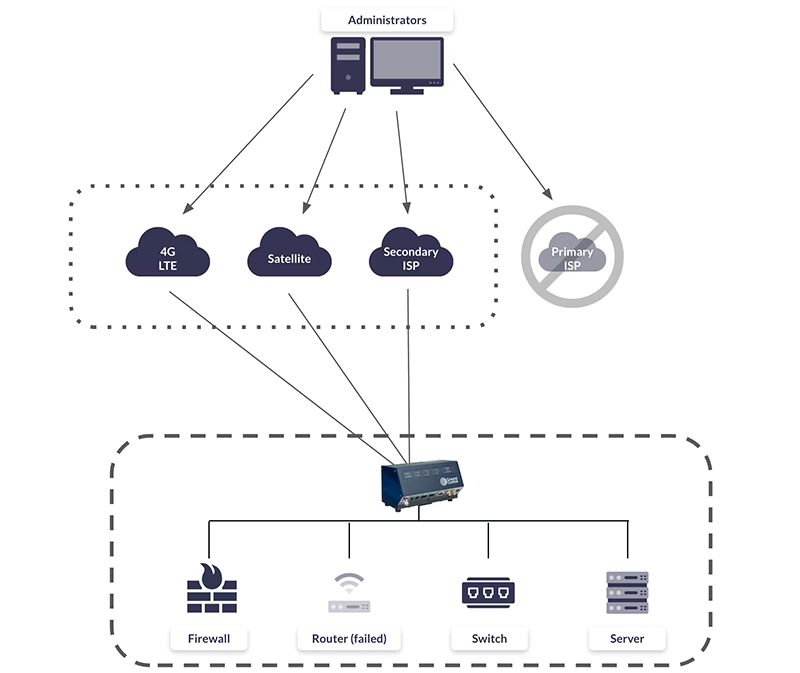
Out-of-band management, or OOBM, uses a secondary communication path that operates independently from the main production network. If the primary connection is interrupted, authorized teams can continue to access routers, servers, gateways and other equipment. This can allow them to:
- Diagnose network faults
- Restart or reconfigure equipment
- Review logs and system status
- Apply updates
- Restore the primary connection.
For remote sites, this can reduce downtime and avoid unnecessary engineer visits.
Why Use Satellite for OOB Management?
Traditional backup connections often rely on another terrestrial or cellular service. In isolated locations, these may not be available. They may also be vulnerable to the same local outage as the primary network.
Satellite provides a separate communication path that does not depend on nearby terrestrial infrastructure. It can support remote access during cable damage, cellular outages, extreme weather or equipment failure.
Common applications include:
- Energy and utility infrastructure
- Offshore platforms and vessels
- Remote industrial sites
- Government and defense facilities
- Disaster recovery locations
- Unattended communications equipment.
How Does Satellite OOB Management Work?
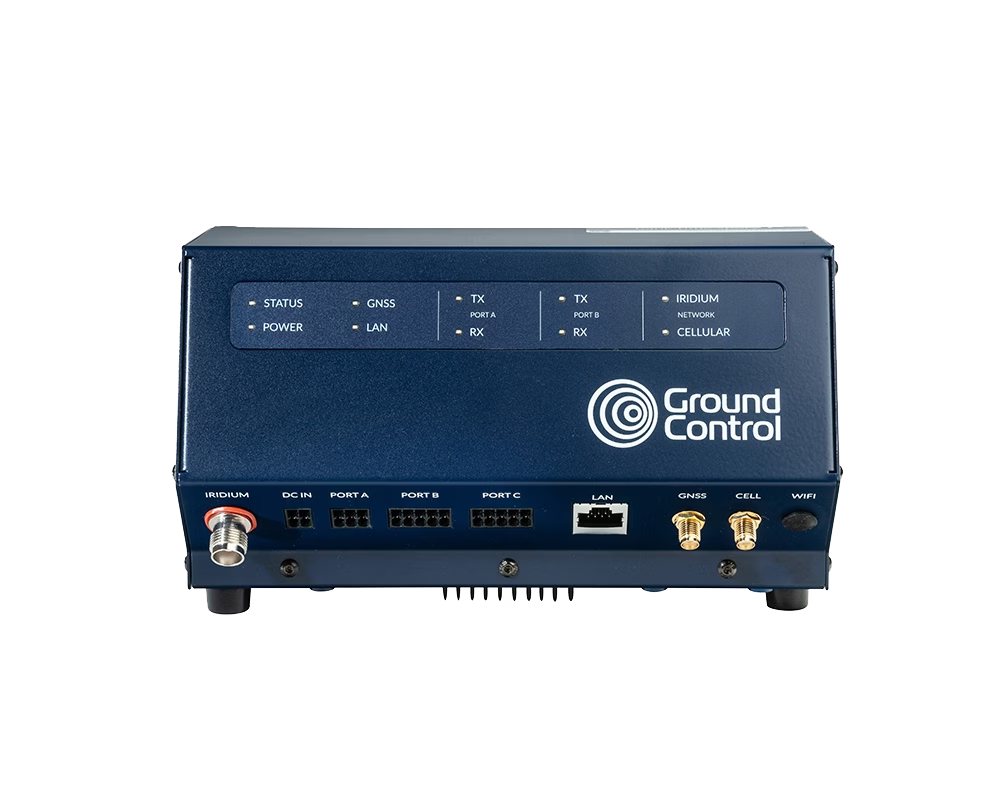
A satellite gateway connects to equipment at the remote site through Ethernet, Wi-Fi or serial interfaces.
During normal operation, the primary network carries operational traffic. If that connection fails, administrators can use the satellite link to reach the site, investigate the problem and support recovery.
For genuine resilience, the OOB connection should avoid relying on the same router, power supply, cabling or communications service as the primary network.
What Should You Consider?
Equipment and Interfaces
Identify which devices must remain accessible and how they connect. This may include routers, switches, servers, industrial computers, firewalls and legacy serial equipment.
Data Requirements
Simple monitoring, command-line access and configuration changes require relatively little data. Large log files, graphical interfaces and firmware updates may require a higher-capacity connection.
Power
Remote sites may depend on DC power, batteries or solar generation. Consider normal and peak consumption, backup duration and recovery after a prolonged outage.
Security
Out-of-band access should be protected using appropriate authentication, VPNs, encryption, firewall rules and access controls.
Installation Environment
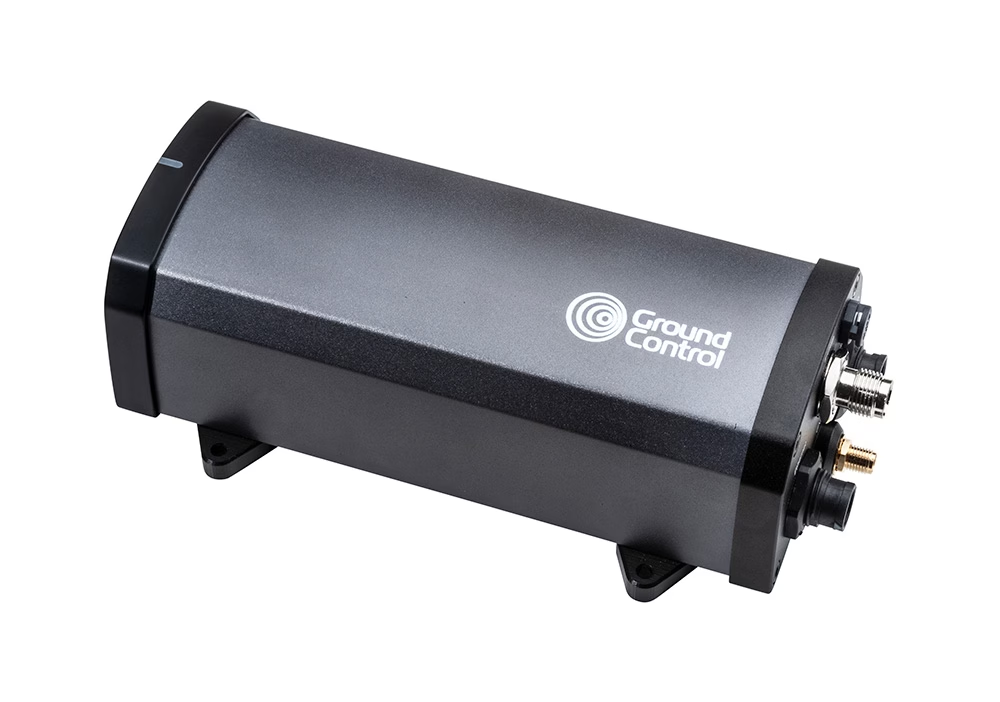
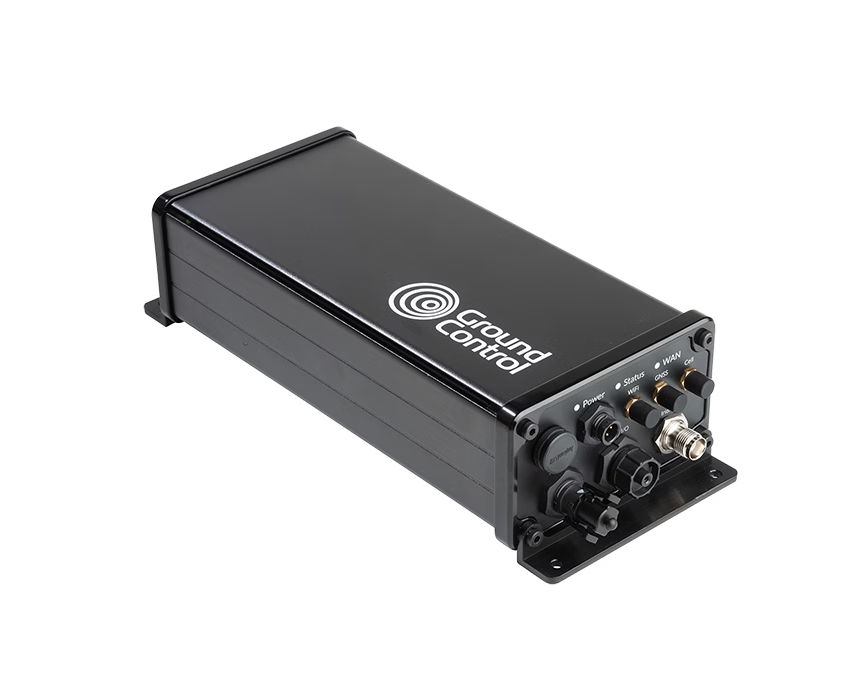
Outdoor and industrial installations may require rugged equipment that can withstand water, dust, vibration and extreme temperatures. The satellite antenna must also have a suitable view of the sky.

Energy and Utilities

Offshore and Maritime

Disaster Recovery

Remote Government and Defense Sites
Choosing a Satellite OOB Solution
The right solution will depend on:
- Satellite coverage at the deployment location
- Required connection speed and latency
- Expected data usage
- Available power
- Local equipment interfaces
- Environmental protection
- Security and network architecture
The system should be designed around the actions your team must perform during an outage, rather than everyday production traffic.
Satellite OOB Management Checklist
Before deployment, confirm that:
- The satellite network covers the site
- The antenna has a clear view of the sky
- The backup connection is independent from the primary network
- Suitable backup power is available
- Critical equipment has compatible interfaces
- Security and access controls are configured
- The complete recovery process has been tested
- Expected data usage and airtime costs have been assessed
Build a More Resilient Remote Network
Satellite out-of-band management provides a separate way to access critical equipment when primary communications are unavailable.
Speak to Ground Control about selecting the right satellite service, hardware and management tools for your remote infrastructure.