Industry: Utilities & Renewables
Akrocean delivers ocean data as a service through their fleet of self-powered data buoys. The buoys are modular, and equipped to capture all types of metocean and environmental data. Designed to be self-sufficient, the deployed buoys can operate for multiple years without needing any human intervention.
Windsea is a floating LiDAR service for wind resource assessment and metocean measurements. Fly’rsea is a floating RADAR solution for bird detection and environmental assessment. Seaobs is the combination of the two, and can host a large range of sensors able to monitor any parameter at your project site.
Akrocean utilize the RockREMOTE to backhaul their data; RockREMOTE is designed for larger volumes of IoT data, and leverages the truly global Iridium Certus 100 airtime service, ensuring that Akrocean’s customers get their data reliably, and close to real-time.
Aggreko designs, builds and supplies generators, Battery Energy Storage Systems, dehumidifiers, and temperature control systems. These temporary turnkey solutions help customers transitioning between energy sources, and industries where there are seasonal requirements, such as maintaining environmental conditions to preserve fruit and vegetables.
They also supply long term equipment for Mining and Oil & Gas operations, for example; working as an engineering partner to enable greater efficiencies and lower fuel costs.
Aggreko’s equipment is usually rented, and is a valuable asset to both Aggreko and their customers. They utilize an Iridium satellite transceiver, supplied by Ground Control, to monitor their generators, which transmits the location of the assets in real-time, from anywhere on the globe. This helps to prevent theft. The same transceiver can transmit machine telemetry and fuel levels, helping with predictive maintenance.
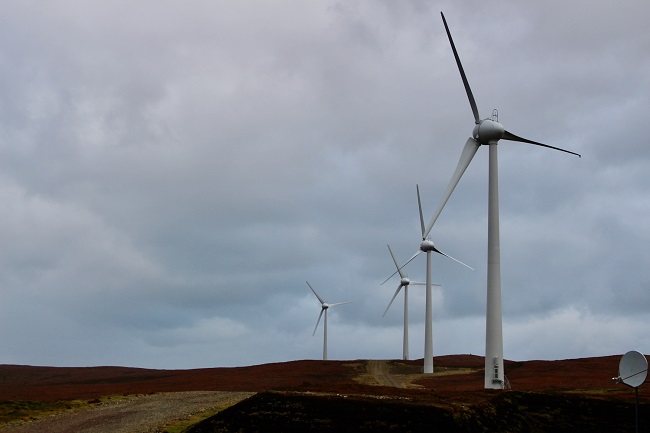
SCADASat and Garth Wind Shetland Islands Scotland
The Challenge
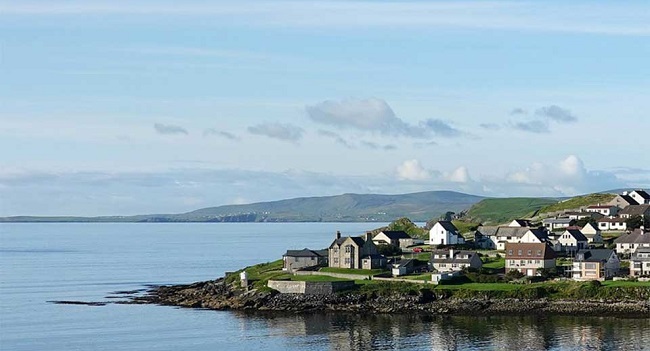
Garth Wind Shetland Islands Scotland is a community windfarm project based in Yell – one of the picturesque northerly islands of Shetland. The wind turbines, managed by a board of trustees based in the local community, farm the wind to generate power, which in turn they sell back to the grid.
The islands are exposed to some of the UK’s harshest weather conditions, making power outages a likely and unavoidable risk. One such outage resulted in more than £17,000 in lost renewable energy for Garth Wind. At the time, there was no preventative maintenance schedule or service agreement in place, meaning reactive call-outs, engineer mobilisation, and travel to the remote site all incurred significant additional costs.

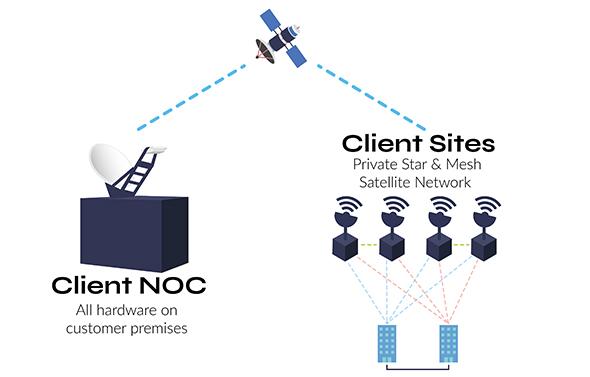
The SCADASat Solution
Recognizing that prevention is more effective than reactive repairs, Ground Control worked closely with the Garth Wind trustees to enhance their SCADASat service. The solution included a long-term servicing agreement with two planned preventative maintenance (PPM) inspections each year. During these visits, specialist engineers carry out comprehensive health checks, identify potential issues, and replace components showing signs of wear before they can cause failures during severe weather.
By committing to a longer-term service contract, the Garth Wind trustees also secured a 5% discount on Ground Control’s services, reducing ongoing maintenance costs while improving system resilience.
Ground Control’s SCADASat solution provides the critical communications link between the wind farm and the grid connection point, delivering real-time operational data that enables effective monitoring and control of power generation. This connectivity is essential for preventing power saturation at the point of connection, maximising energy output, and ensuring the most efficient use of the electricity generated.
As a community-owned renewable energy project, all profits generated by Garth Wind are reinvested into local initiatives across the Shetland Islands. In recent years, funding has supported projects including COVID-19 response efforts and improvements to the islands’ harbour infrastructure, delivering lasting benefits to the local community.
What’s Next?
There’s further scope of opportunity for not only Garth Winds, but similar community Scottish Highlands projects.
A probable model is that of a hire scheme. Ground Control can deliver all the necessary hardware and robust maintenance, while communities reap the financial rewards of hiring out the hub to anchor services.
Further, Ground Control’s global reach to even the world’s most remote data, presents an opportunity to permanently install infrastructure for this group of Islands to harness the power from much needed renewable energy sources.
Would you like to know more?
Ground Control works extensively with Utilities, Oil and Gas, and Renewables companies, supporting both their SCADA / telemetry requirements, and also connecting their workforce with both safety and communication applications.
Call us, or complete the form, if you’d like to discuss your project; we have many years of experience and will be very happy to share what we’ve learned with you.
Expanding Feeder Automation in Remote Brazilian Networks
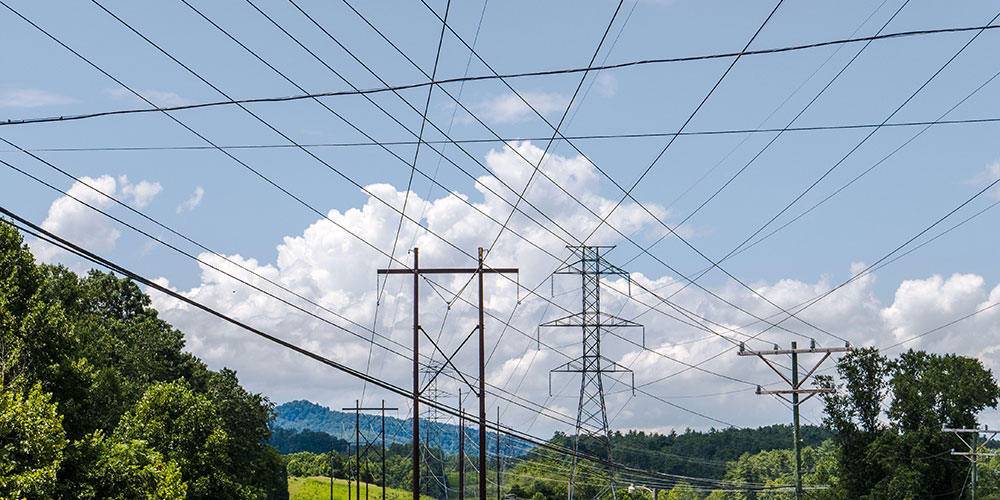
Remote recloser automation depends on continuous communication with field devices. Operators must be able to monitor equipment status, receive fault indications, and issue switching commands when required. However, communications infrastructure is often exposed to the same environmental risks as the power network itself. Distribution poles carrying electrical feeders frequently support fiber routes or cellular backhaul. When storms, falling trees, or other events damage the line, both power and communications infrastructure in the same corridor can fail simultaneously, leaving operators without visibility of key assets during an outage.
A Brazilian electricity distribution utility, expanding its remote automation programme across a growing number of feeder locations, found many of these sites were located along rural or remote distribution lines where terrestrial communications infrastructure was limited or unreliable. To support automation at these locations, they required a communications approach capable of maintaining reliable links between field devices and the control center.
The Challenge
Some remote automation sites had already deployed a satellite communications system operating over a geostationary network. While this provided coverage, the utility experienced network reliability issues with the existing provider, and directional antenna pointing added a further deployment consideration.
As the automation estate expanded, communications resilience, ease of deployment, and scalability became increasingly important. The utility therefore evaluated alternative communications solutions that could provide an independent path separate from terrestrial infrastructure, support DNP3 over IP for SCADA integration, simplify installation for pole-mounted equipment, and scale across a large number of sites.
A Resilient Data Path
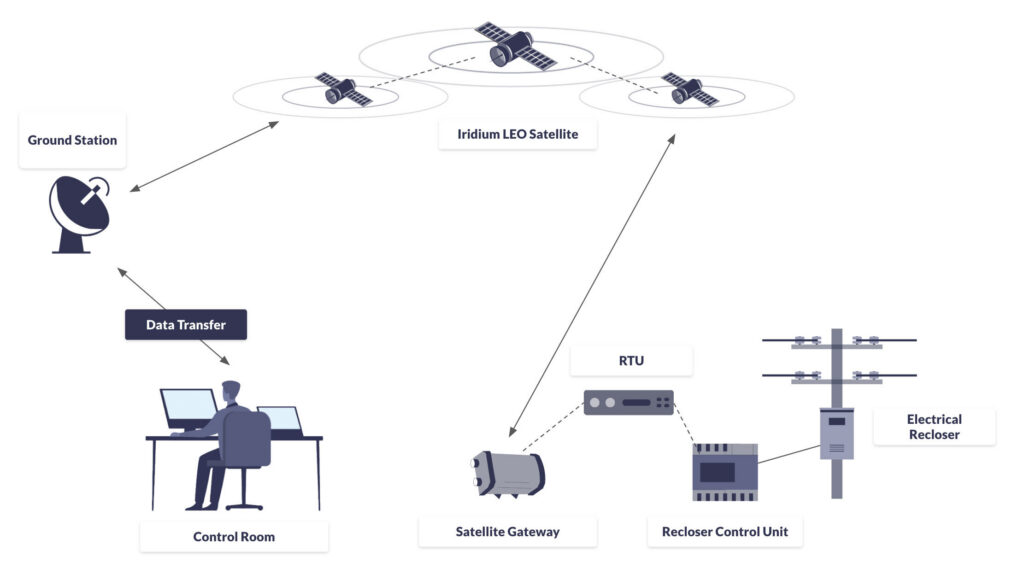
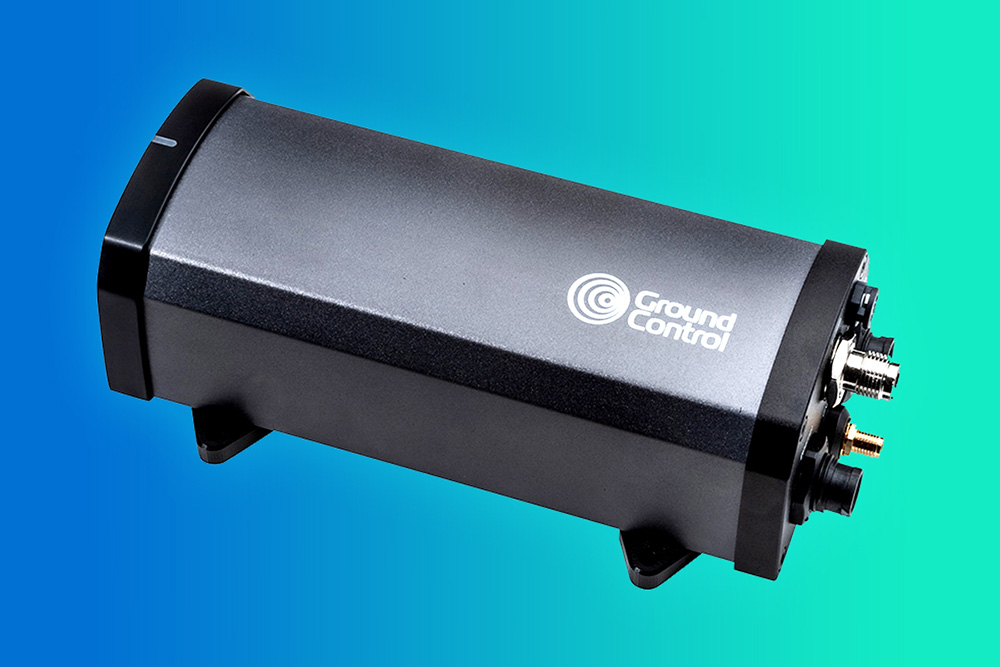
Working with Ground Control, the utility deployed RockREMOTE Mini terminals on the Iridium Certus 100 service to support communications across its remote automation sites.
At each location, the terminal was integrated with the existing RTU, enabling SCADA traffic to be transmitted over satellite, without changes to existing control systems or workflows.
The recloser continued to perform switching operations, with the controller managing protection and local control. The RTU handled telemetry and command exchange, while RockREMOTE Mini provided the backhaul link from site to network.
Outcome: Simpler Deployment and More Resilient Communications
The utility selected the RockREMOTE Mini terminal primarily to improve communications reliability for remote automation sites.
Operating over the Iridium network, the solution provided a more dependable satellite communications path than the previous service, helping the utility strengthen connectivity across its expanding automation estate.
The compact terminal also simplified field deployment by removing the need for directional antenna alignment, which reduced installation complexity at pole-mounted sites and supported rollout at scale.
Most importantly, the satellite link provided a communications path independent of local terrestrial infrastructure, improving the resilience of the utility’s critical remote automation communications architecture.
What’s Next?
As the deployment expands, the utility is reviewing how different communication types are applied across its automation estate. In locations where continuous IP connectivity is not required, Iridium Messaging Transport (IMT) is being explored for lower bandwidth, event driven data.
As the project engineer noted, “Not every site needs the same type of connectivity. In some cases, we’re just sending status or event data, so it makes sense to use a simpler approach. It helps reduce cost and complexity while keeping the network resilient where it matters.”
Maintain Visibility and Control
Reliable communications are essential for feeder automation, fault response, and network resilience, especially where terrestrial infrastructure is limited or exposed. We can help to extend SCADA connectivity to remote field equipment, using cost-effective satellite backhaul to maintain visibility and control.
If you tell us more about your network, we’ll help you assess the right approach. Either complete the form, or email hello@groundcontrol.com, and we’ll be in touch within one working day.
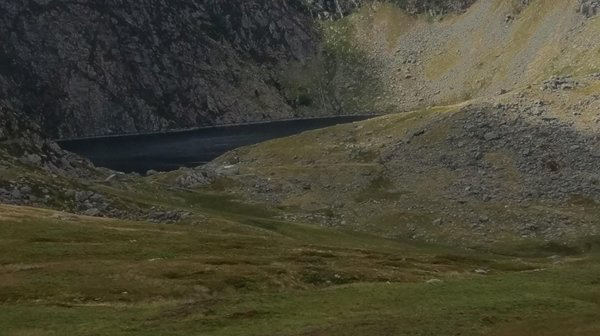
RWE is one of the world’s leading renewable energy companies, and operates five hydroelectric power stations in Snowdonia, North Wales – an area with significant rainfall that’s perfect for harnessing water to produce electricity. To maximize its renewable energy output from the reservoirs, RWE needs to manage the water levels in its catchment areas to perfection.

Turning Excess Rainfall Into Energy
Climate change is increasing the risk of flooding in this remote, mountainous region. As well as the potential damage floods can cause to the countryside and infrastructure, there’s a missed opportunity to use the excess rainfall to generate more renewable energy.
If RWE can closely monitor conditions at its hydroelectric power stations, it can better manage water levels and flow rates; until 2016, however, RWE had to rely upon sending people into the mountains to take measurements. This was time-consuming, costly, and produced limited and inaccurate results.
It was also potentially unsafe, because RWE Hydro’s operations centre is in Dolgarrog, about 10 metres above sea level; the fieldwork could be up to 600 metres above sea level, with radically different weather conditions possible.
The Challenge
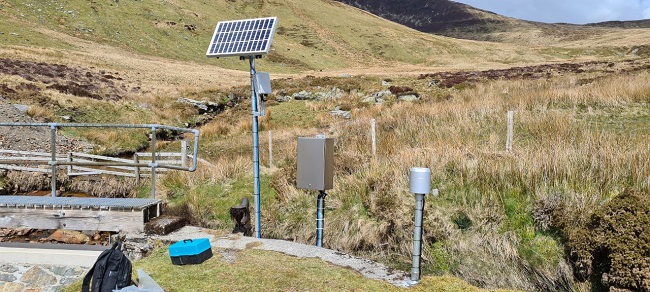
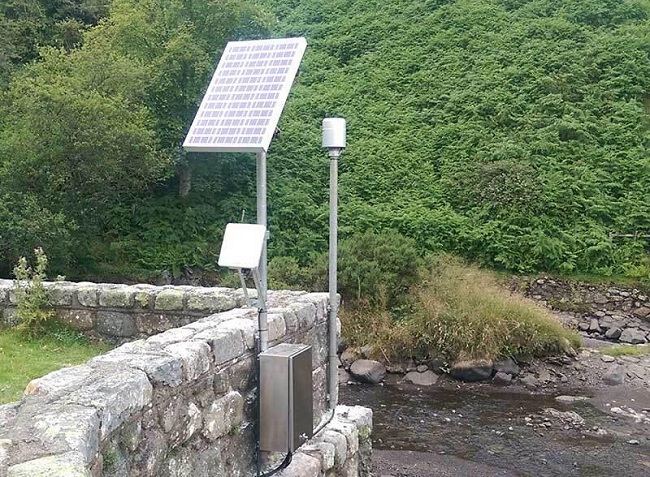
In 2016, RWE decided to install automated hydrology stations, with the goal of getting valuable, precise, up-to-date information on conditions without needing to send people into the field. These installations would constantly monitor water levels, precipitation, air and water temperatures, and relative humidity, enabling the company to prevent water wastage, and maximize the amount of renewable energy it supplies to the grid.
RWE faced multiple challenges in this endeavour: firstly, the solution needed to be unobtrusive, and not impair the beauty of this landscape. Secondly, there’s no terrestrial power to these areas. Finally, there’s no land- or mobile-based communication network; to successfully gather and send the necessary data, RWE needed a solution that resolved all of these issues.
The Solution
Ground Control worked with our satellite connectivity partner Viasat, sensor provider OTT Hydromet, and ASTECH Engineering Services to design, develop and deploy four energy efficient, solar powered, IoT-enabled hydrological stations.
We used Hughes 9502 terminals to transmit data every three hours, but data is collected every 15 minutes. Edge computing allows the frequency of transmission to be increased if data falls outside of normal parameters, which in turn alerts the RWE engineers, and allows them to respond.
Once water levels drop within normal parameters, the transmissions slow down again. As a result of this efficient process, monthly data usage at each site does not exceed 2MB.
It’s a very flexible, modular system which allows the configuration to be changed, or new features added, as needed.
The Result
With real time alerts of heavy rainfall, RWE can direct as much water as possible into leats and waterways, which then flow into the lakes and reservoirs. From there, RWE uses the water to generate power.
RWE are also able to reduce water wastage. When maintenance work needs to be completed, or improvements made to the waterway system, these should be done when the weather is dry and likely to remain so, as otherwise, water has to be diverted away from the area, and is wasted. With the hydrology data RWE receive, they know when the conditions are right, and can both reduce wastage and better ensure the safety of their field operatives.
RWE now plan to add a further eight hydrology stations to their network to build a full picture across their Snowdonia catchment.
“In such a changeable and challenging environment like Snowdonia, the real-time data from the BGAN-enabled hydrology stations lets us respond quickly and effectively to any changes in the water levels. We can maximize electricity production, reduce water waste and minimize the threat of damage through overspill to the landscape and our own infrastructure, while keeping our staff safe and secure.”
John McNab – Operations Engineer
Could your renewables project benefit from better connectivity?
The Ground Control team, as we hope this case study illustrates, is here to help solve your IoT connectivity challenges. If your project is in remote areas with limited cellular coverage, our partnerships with leading satellite service providers ensures that we can always bring your data home.
Complete the form or call us – we have offices in the UK and USA, and we’d love to hear from you.
Reliable Streaming, No Matter the Bandwidth
Videosoft delivers bandwidth-managed video streaming that performs even in the most unpredictable network conditions. While traditional systems struggle in low-bandwidth or variable throughput, Videosoft’s technology enables practical, real time video over connections as low as 1 Kbps, easily compatible with the 22 Kbps uplink available on the Certus® 100 network service from Iridium.
Ideal for remote monitoring and surveillance, Videosoft makes live video not just possible, but dependable – wherever it’s needed.
We’ve partnered with Videosoft to bring their unique video encoding and streaming solution to our RockREMOTE Rugged terminal. Available as a native application on the device, the integration allows customers to deploy robust live video surveillance using the Iridium Certus® 100 service, without the need for external encoders or bulky infrastructure.
From unmanned facilities in the energy sector to border security, remote utilities, and environmental monitoring, Videosoft’s ultra efficient compression technology means you can see what’s happening on site in real time, regardless of where that site happens to be. Combined with the global coverage and reliability of satellite, this capability enables faster incident response, improved operational oversight, and smarter decision making at the edge.