RockBLOCK 9603
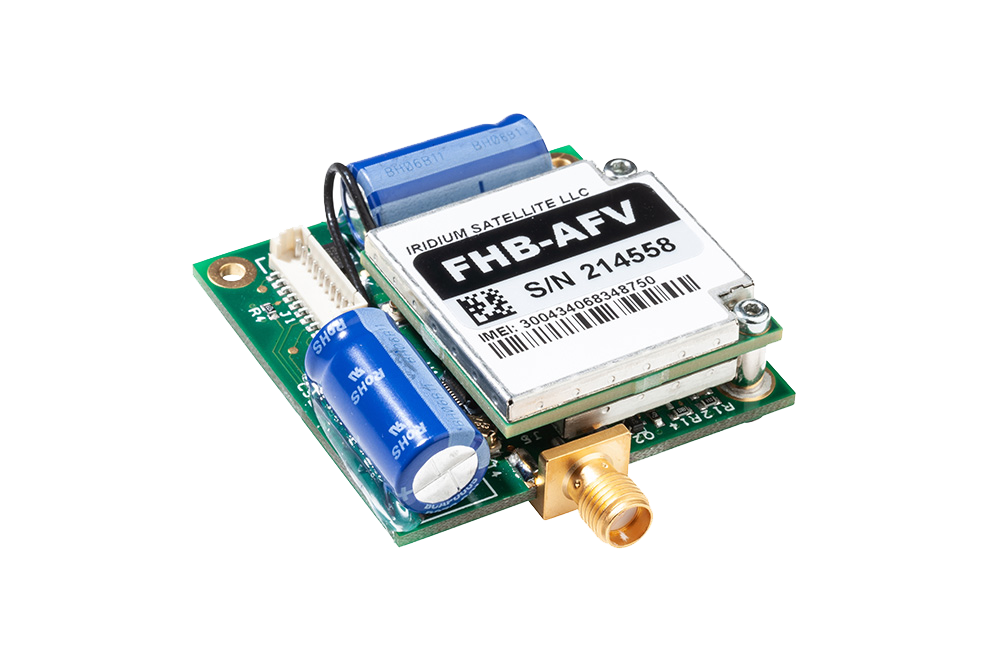
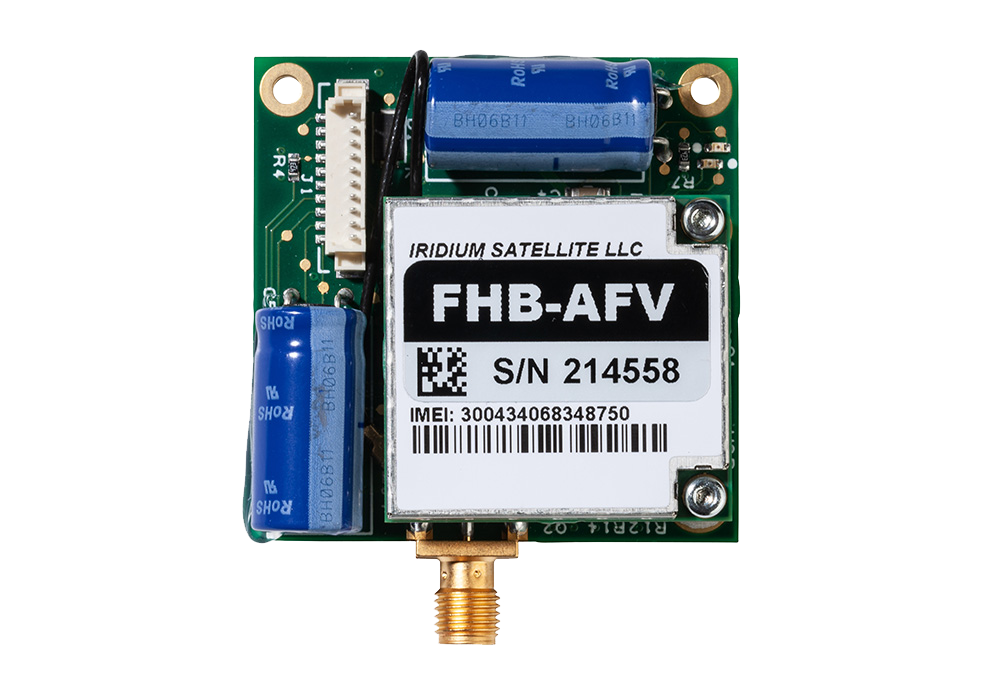
RockBLOCK 9603 gives developers proven, compact two way satellite connectivity through the Iridium Short Burst Data service, combining an Iridium 9603N modem with integrated power conditioning, patch or external antenna options, a simple UART interface, established developer resources and Ground Control data delivery services.
Key Capabilities
A compact, field-proven way to add Iridium satellite messaging to an embedded device or remote monitoring system.

Two way messages from anywhere on Earth with a clear view of the sky

Up to 340 bytes sent and 270 bytes received per SBD message

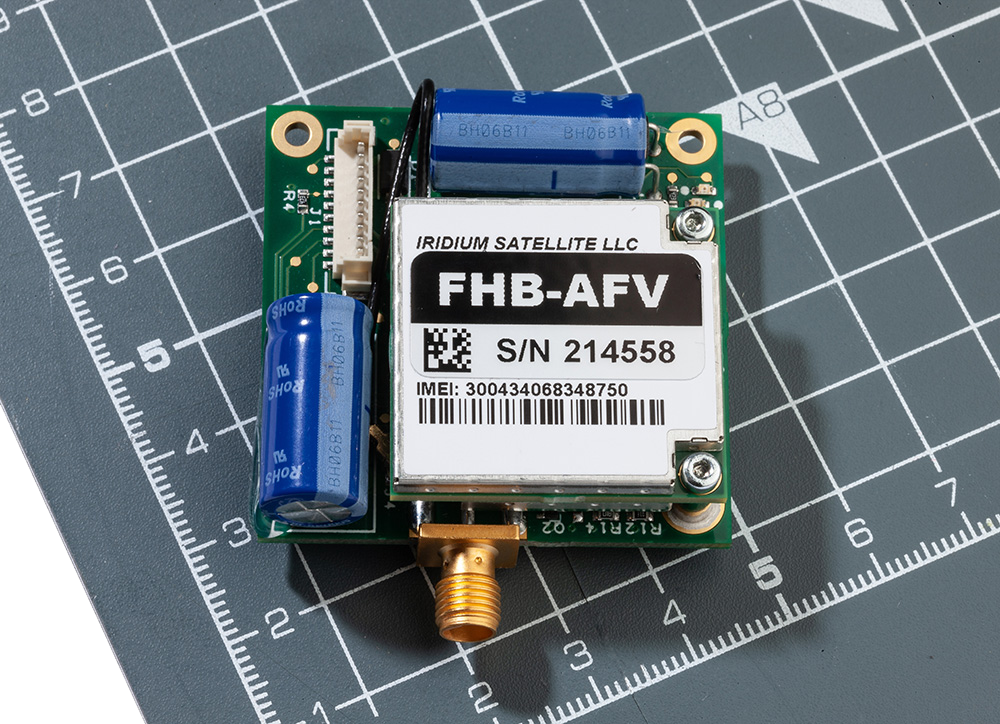
Compact 45 × 45 mm PCB for integration into space constrained devices

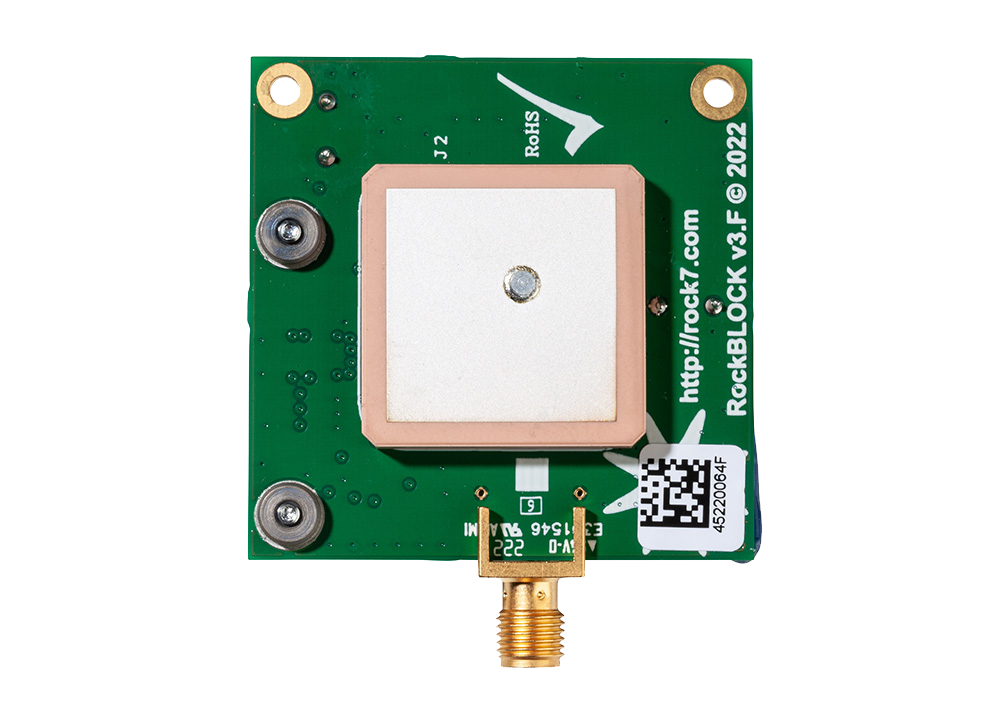
Integrated patch antenna or SMA connection for an external antenna

Simple 3.3 V LVTTL UART interface with AT command control
Compact Satellite IoT Device
Designed for systems integrators and product developers, RockBLOCK 9603 is a compact, robust device that can send and receive short messages from anywhere on Earth with a view of the sky.
It’s the smaller version of RockBLOCK 9602, offering the same core Iridium Short Burst Data capabilities in a lighter form factor. RockBLOCK 9603 is compatible with Arduino, Windows, macOS and Linux computers, including Raspberry Pi, as well as many other platforms with serial connectivity or a suitable USB adapter.
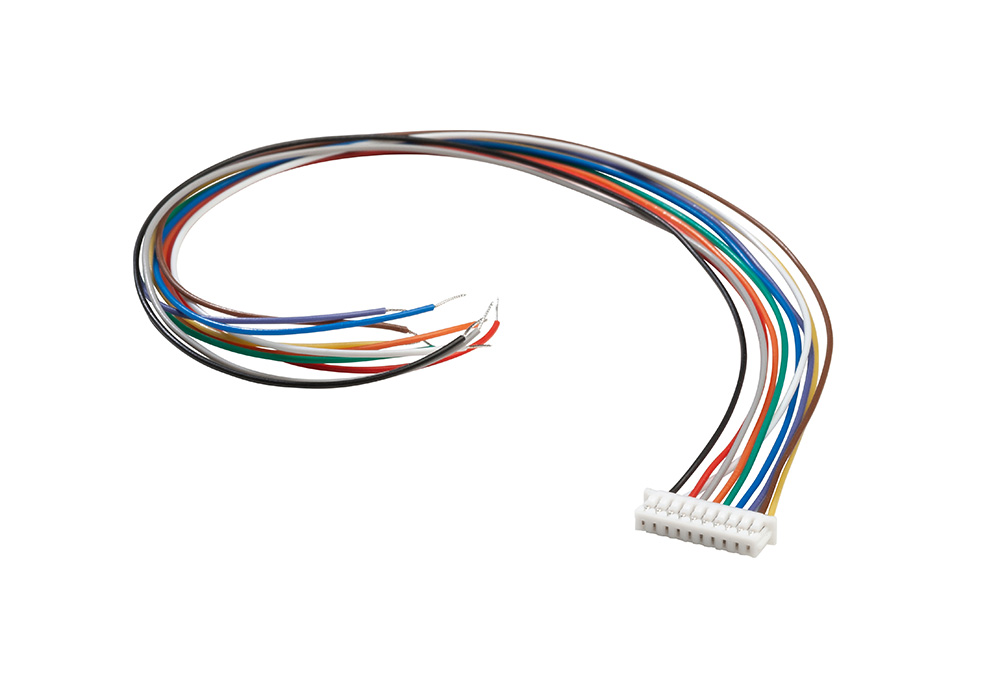
A compact Molex connector carries the serial, power and signaling lines to the host controller, making RockBLOCK 9603 well suited to embedded products where board space and weight are limited.
Hardware Integration and Data Delivery
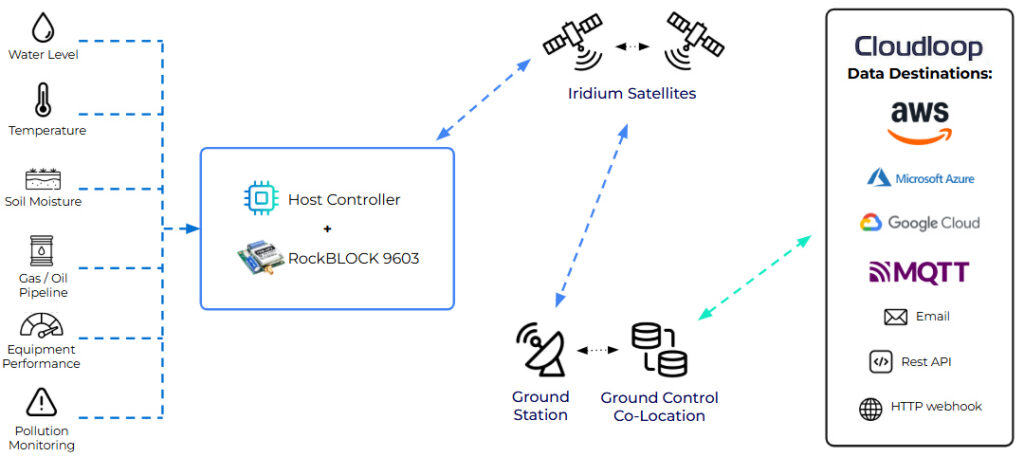
At the heart of RockBLOCK 9603 is an Iridium 9603N modem. RockBLOCK hosts the modem, provides its power regulation and buffering, and exposes the serial interface through a breakout connector, reducing the hardware work involved in adding Iridium satellite messaging to a product.
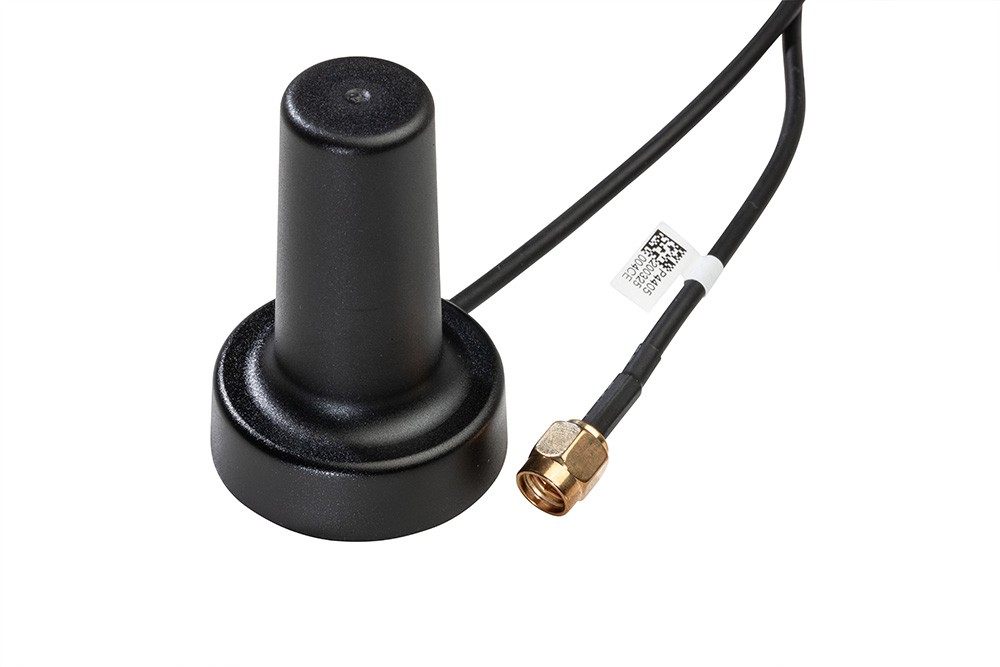
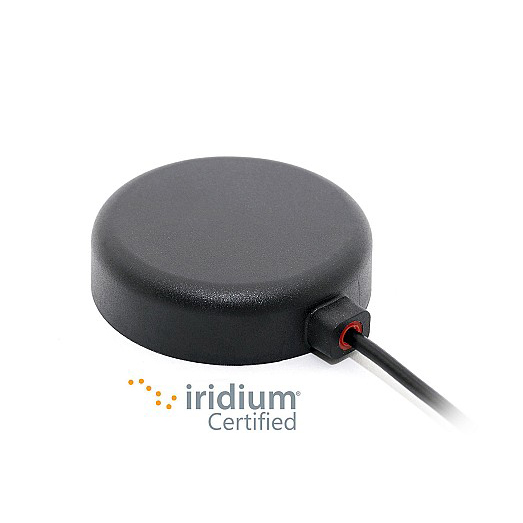
The integrated patch antenna suits applications where the device can see the sky through an RF-transparent material such as plastic. Where RockBLOCK sits deeper inside an enclosure or behind a metal barrier, the SMA version allows an external Iridium antenna to be positioned separately.
Messages can be routed through Cloudloop Data into customer applications using HTTPS, MQTT or APIs, making it easier to connect satellite data with existing platforms, dashboards and cloud services.
Iridium SBD Hardware Comparison
The first four products use the Iridium Short Burst Data service, providing global two way satellite messaging with payloads of up to 340 bytes sent and 270 bytes received. If you’re sending over 10 KB of data per month, you are likely to save money with RockBLOCK 9704, which utilizes Iridium Messaging Transport (IMT) to send messages from 25 bytes to 100 KB.
Under optimal conditions, both SBD and IMT messages can be delivered in around 10 seconds, although performance depends on factors including antenna placement and a clear view of the sky.
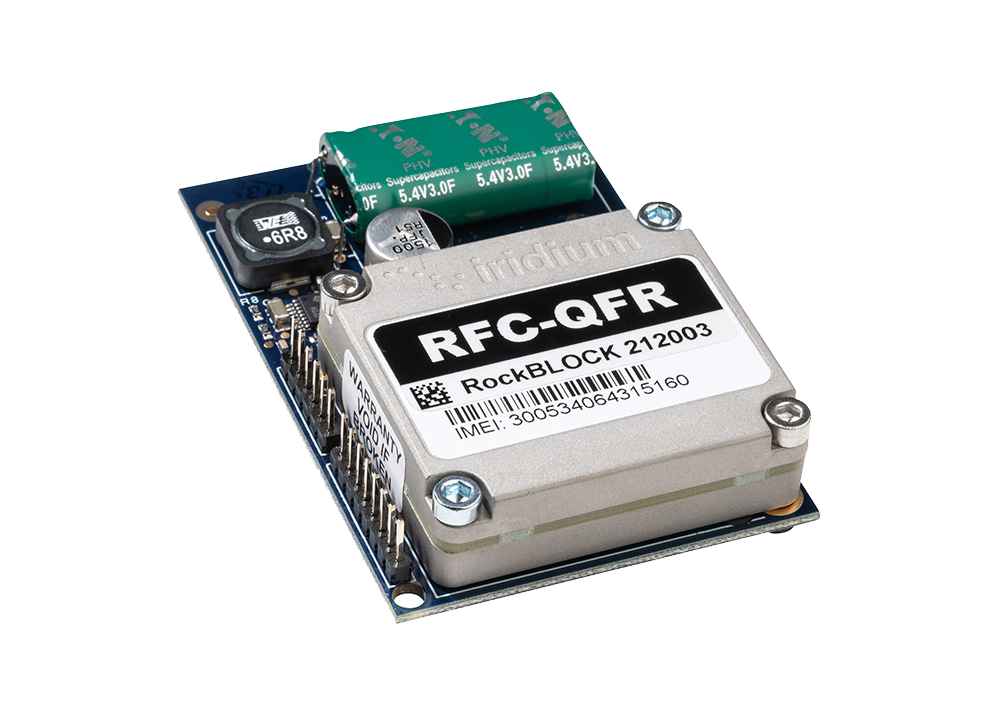 RockBLOCK 9602 RockBLOCK 9602
|
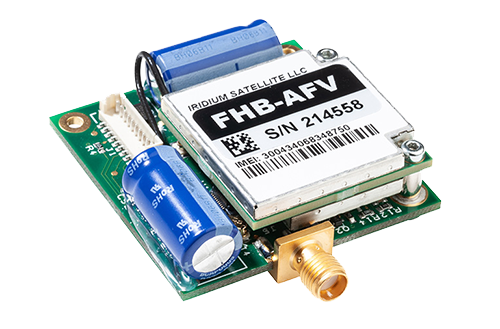 RockBLOCK 9603 RockBLOCK 9603
|
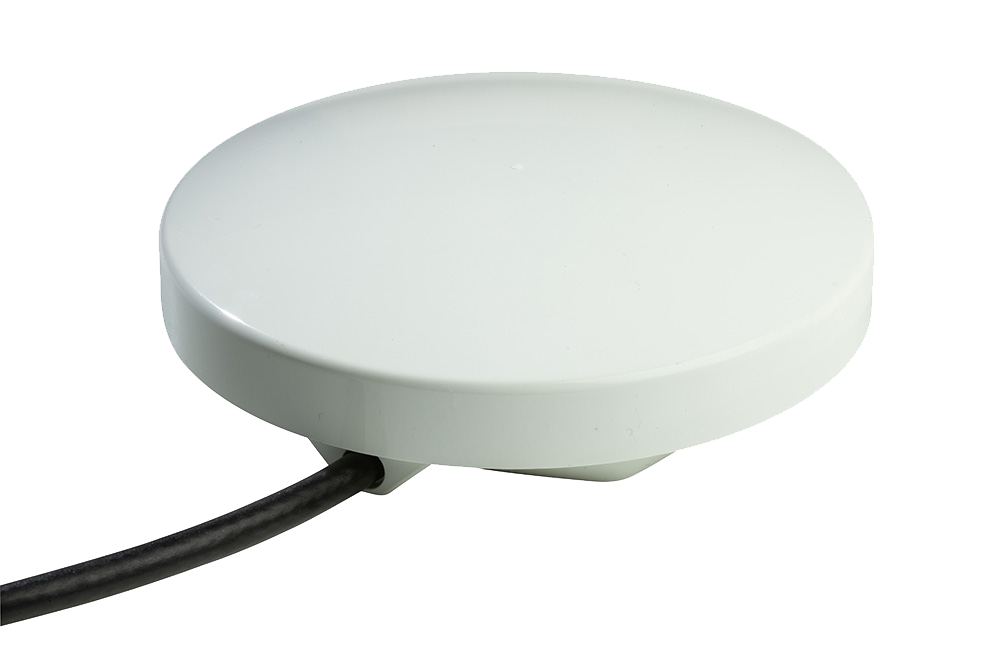 RockBLOCK Plus RockBLOCK Plus
|
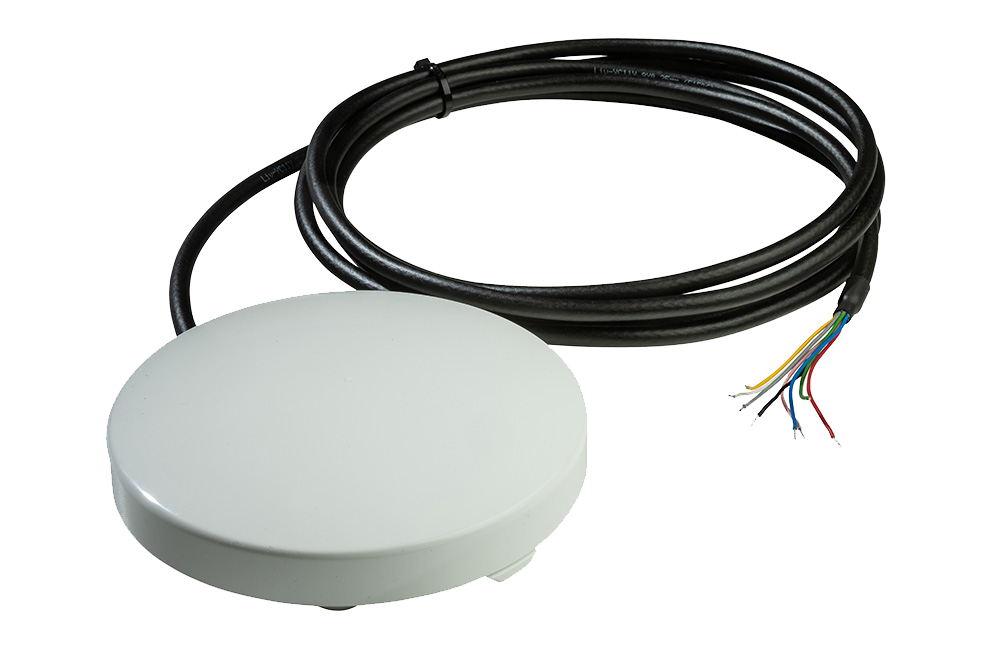 RockBLOCK RTU RockBLOCK RTU
|
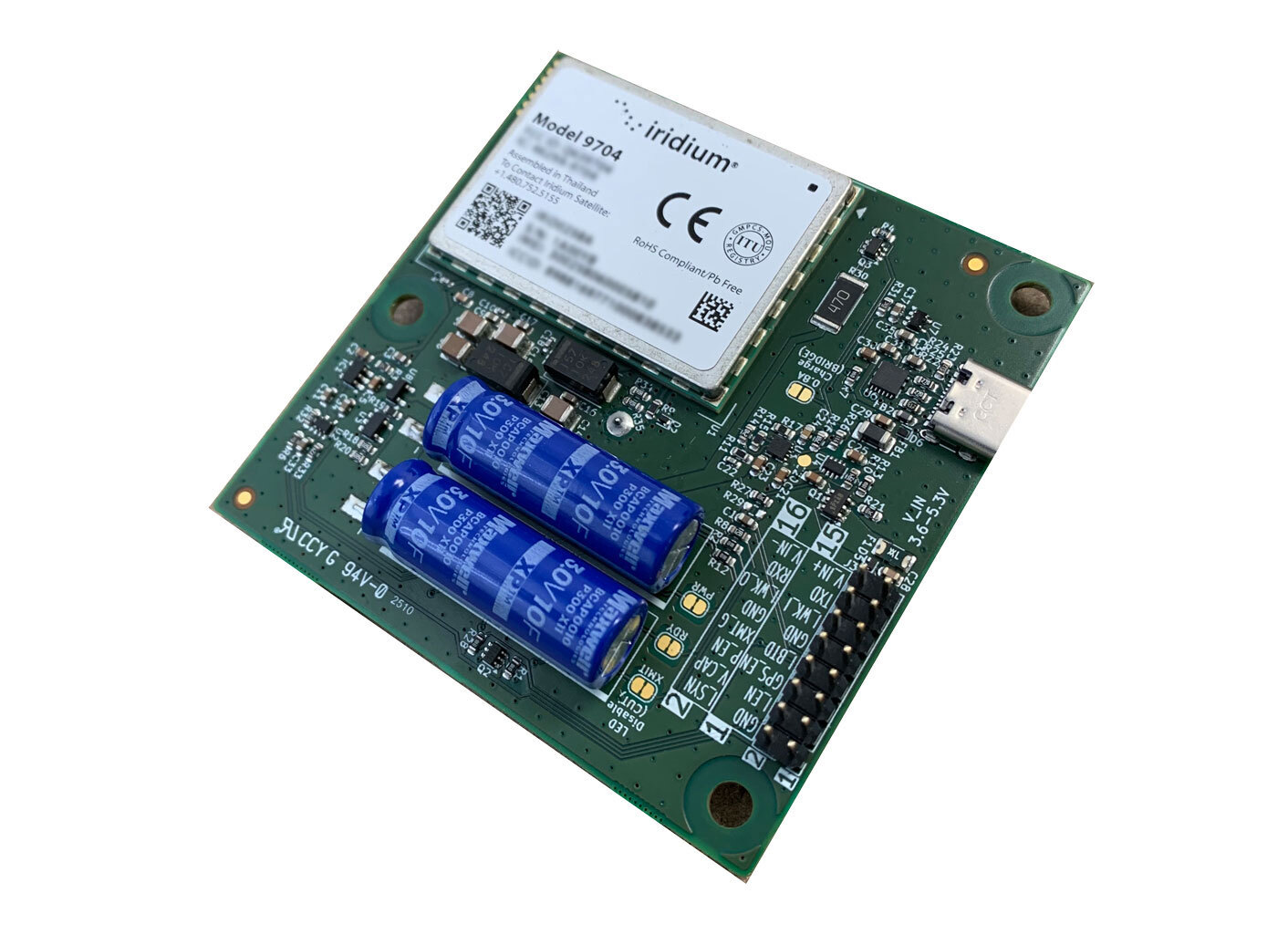 RockBLOCK 9704 RockBLOCK 9704
|
|
|---|---|---|---|---|---|
| Best Suited To | General purpose integration and development | Space- and weight-constrained designs | Exposed outdoor installations | Direct sensor monitoring and control | Applications sending over 10 KB of data per month |
| Satellite Service | SBD (340 / 270 bytes) | SBD (340 / 270 bytes) | SBD (340 / 270 bytes) | SBD (340 / 270 bytes) | IMT (up to 100 KB) |
| Product Type | PCB satellite modem | PCB satellite modem | Ruggedized satellite modem | Micro data logger and controller | PCB satellite modem |
| Dimensions | 76 x 51.5 x 19 mm | 45 x 45 x 15 mm | 137 mm diameter x 40 mm | 137 mm diameter x 40 mm | 48 × 52 × 16 mm (SMA) / 72 × 72 × 16.5 mm (patch) |
| Weight | 67 g patch / 61 g SMA | 39 g | 108 g (exc. antenna) | Dependant on variant | < 35 g (SMA) / < 50 g (incl. patch antenna) |
| Environmental | None | None | IP67 | IP67 | None |
| Power | 5 V DC | 3.4-5.4 V DC | 9-30 V DC | 8-32 V DC | 4.0-5.3 V DC; 3.6-4.5 V battery; 5 V USB-C |
| Antenna | Integrated patch or external SMA version | Integrated patch and SMA connector | Integrated patch antenna | Integrated patch antenna | Integrated patch or external SMA version |
| Host or Sensor Interface | TTL UART through 0.1-inch header | TTL UART through Molex connector | RS-232 through integrated cable | Analog and digital sensor I/O | 5 × inputs & 3 × outputs via 16-way cable assembly |
| Onboard Processing | Controlled by the host system | Controlled by the host system | Controlled by the host system | Local logging, buffering and threshold processing | Controlled by the host system |
| View Product | Buy Now | View Product | View Product | View Product |
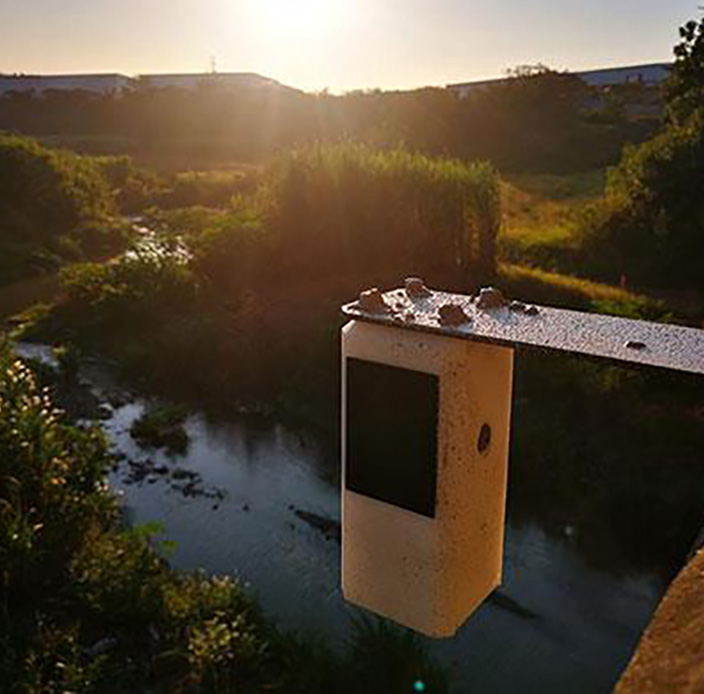
Environmental Monitoring
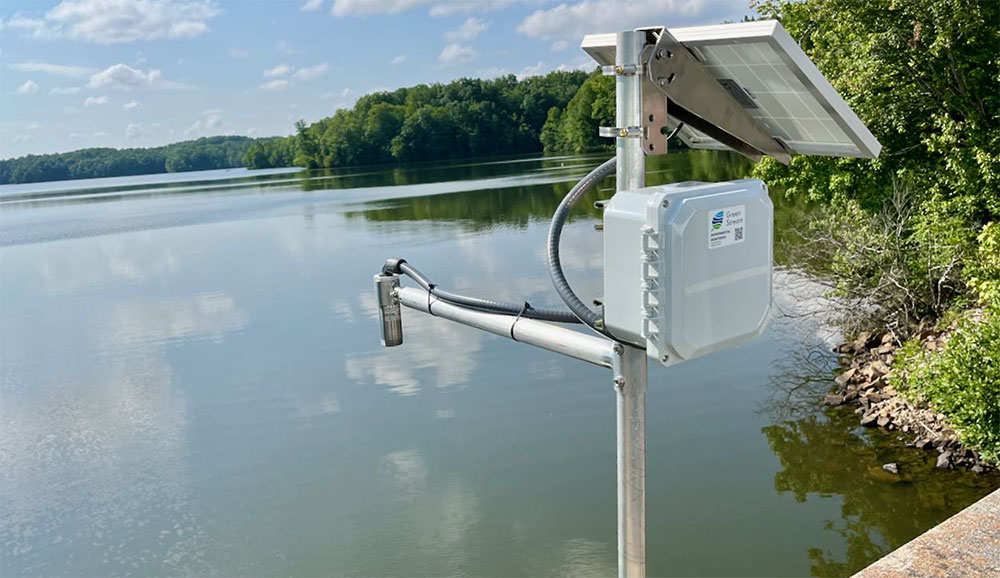
Transmit readings from remote weather stations, water level sensors, air quality instruments and other environmental monitoring equipment.
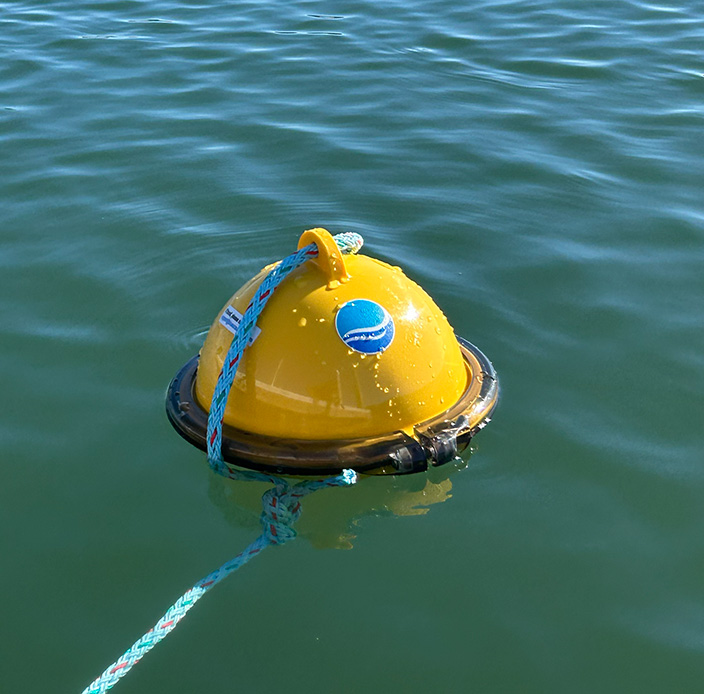
Buoy / Maritime Telemetry
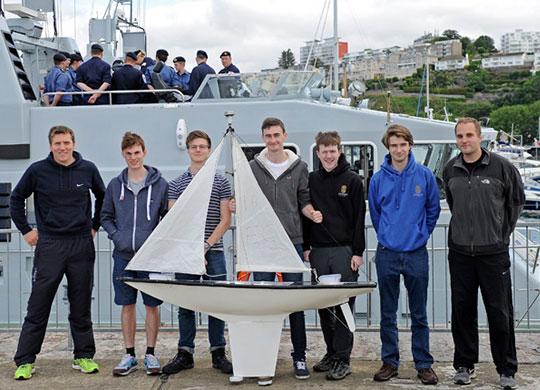
Return position, temperature, current, wave and weather data from drifting buoys, research platforms and compact marine instruments.

Autonomous and Unmanned Systems
Send status information, sensor readings and low bandwidth commands to and from UAVs, USVs and other autonomous platforms operating outside cellular coverage.

Scientific Research
Connect compact instruments used for oceanographic, polar, glacial and other remote field research where low power consumption and global coverage are important.
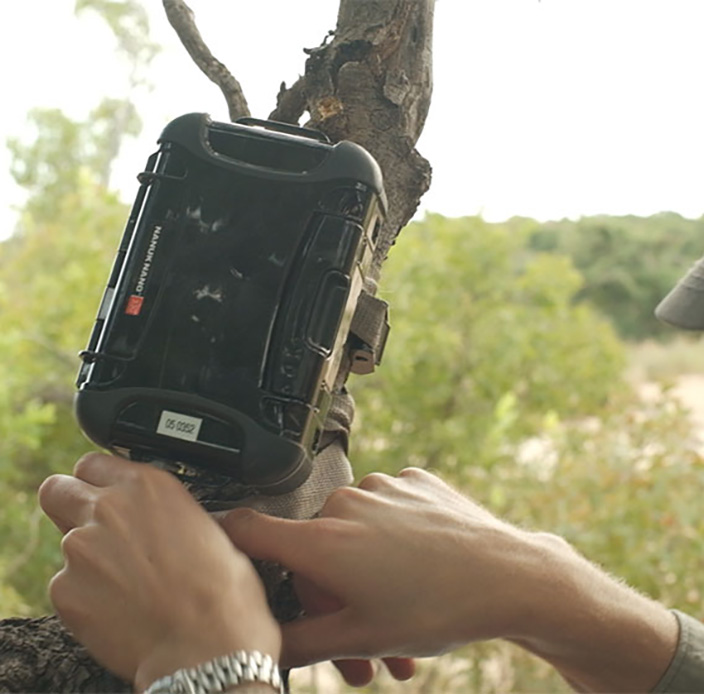
Conservation and Wildlife Monitoring
Retrieve data from remote sensors used to study habitats, monitor wildlife activity and support conservation programs.
Remote Equipment Monitoring
Send operating data, alarms and diagnostic information from equipment installed in isolated or difficult-to-access locations.
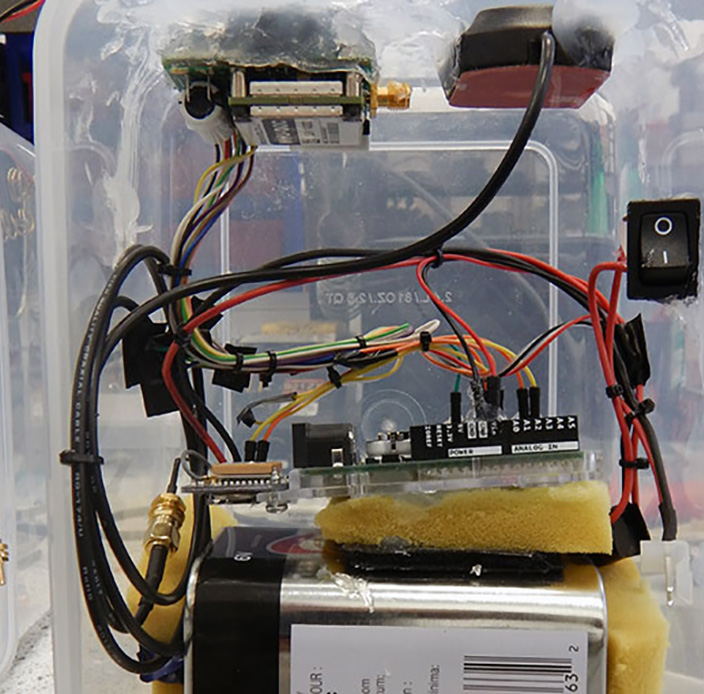
Custom Tracking Integrations
Transmit positions from systems that combine RockBLOCK 9603 with a separate GNSS receiver and host controller.
Technical Essentials
Key details to help you assess whether RockBLOCK 9603 is the right fit for your design, including message size, coverage, physical footprint, antenna options and integration requirements.
340 Bytes Sent and 270 Bytes Received
Exchange compact two way messages using the Iridium Short Burst Data service.
Pole to Pole Iridium Coverage
Communicate from remote land, sea and polar locations where the antenna has a suitable view of the sky.

Approximately 10 Second SBD Sessions
A session may complete approximately every 10 seconds with a perfect sky view, although power-up, obstruction, retries and mailbox behavior can increase delivery time.
Patch or External Iridium Antenna
Choose an integrated 25 mm patch antenna or an SMA configuration for a separately positioned antenna.
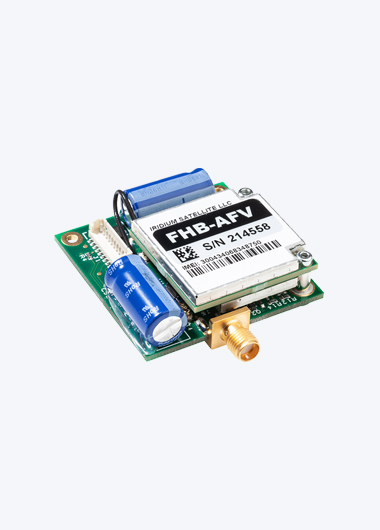

45 × 45 × 16 mm Integration PCB
Fit satellite messaging into compact products while retaining access to mounting holes and a small board connector.

39 g Including Patch Antenna
The low weight supports UAVs, drifting instruments and other SWaP-constrained designs.

-40°C to +85°C Operating Range
Integrate the PCB into equipment intended for demanding hot or cold environments, subject to suitable enclosure and system design.

Low Voltage DC with Integrated Power Buffering
Onboard regulation and supercapacitors buffer the Iridium modem’s short transmission-current peaks, simplifying the host power design.
Product Specifications
Communications
- Satellite Service
- Iridium Short Burst Data
- Mobile Originated Message
- Up to 340 bytes from RockBLOCK
- Mobile Terminated Message
- Up to 270 bytes to RockBLOCK
- Modem
- Iridium 9603N
- Host Control
- Iridium AT commands
- Session Timing
- Approximately 10 seconds under optimal conditions; actual completion and delivery time varies
Physical and Environmental
- Form Factor
- PCB assembly for product integration
- Dimensions
- 45 x 45 x 16 mm
- SMA Protrusion
- Approx. 10 mm beyond PCB edge
- Weight
- 39 g inc. patch antenna
- Mounting
- Two PCB mounting holes
- Operating Temperature
- -40C to 85C
- Ingress Protection
- None (see RockBLOCK Plus if you need an encapsulated version)
Electrical
- Power Architecture
- Onboard voltage regulation and supercapacitor buffering
- Main DC Input
- 3.0-5.4 V for the 5 V input variant
- Maximum Current with Supercapacitors Fitted
- 470 mA
- Power Control
- Dedicated On/Off or sleep control input
Interfaces and Integration
- Host Connection
- Three wire asynchronous serial connection
- Electrical Interface
- 3.3 V LVTTL UART; input tolerant of 5 V signals
- Control Method
- Iridium AT commands
- Standard Serial Configuration
- 19,200 baud, 8 data bits, no parity and 1 stop bit
- Optional Development Connection
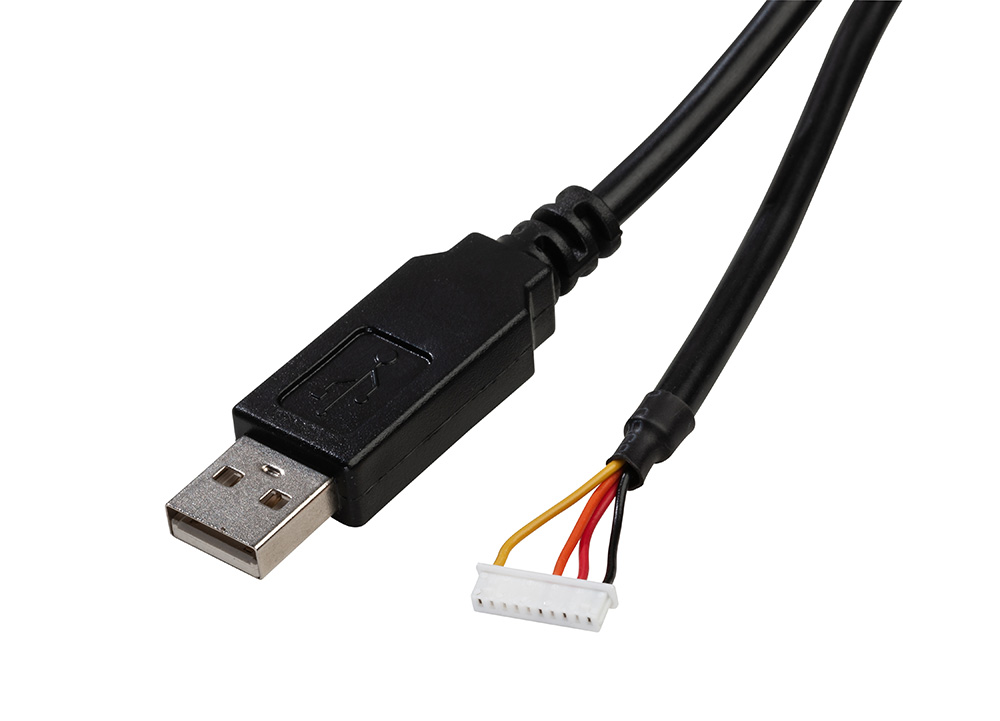
- Modified FTDI USB-to-serial cable
- Supported Hosts
- Microcontrollers and computers with a compatible UART or USB adapter
RockBLOCK 9603 is supported by full developer documentation, integration guides and example code covering power, serial communication, AT commands and message handling. It connects to a microcontroller or host system through a straightforward TTL UART interface, allowing developers to use the Iridium command set without having to manage the satellite modem at a lower hardware level.
Cloudloop Data manages message delivery between deployed devices and cloud applications. Data can be routed to HTTPS or MQTT endpoints, while the REST API provides access to device, message and delivery information. Device subscriptions and usage can also be managed through Cloudloop, with further airtime information available on our dedicated satellite airtime page.



Resources
Documentation, guides and supporting materials to help evaluate, integrate and deploy RockBLOCK 9603.
Frequently Asked Questions
We created the RockBLOCK to make it easy for developers and systems integrators to incorporate Iridium Short Burst Data satellite communications into their solutions.
As many developers have found, buying and integrating a 9603N transceiver directly is not trivial. We make it easier for you by dealing with the mechanical support, the strict power requirements, by adding a perfectly matched and tuned antenna (or you can connect an external one), and exposing the serial interface on a convenient header connector.
So you can buy just the module / transceiver (9603N) and do the work yourself, or you can buy a RockBLOCK for an additional £102 / $128 and just connect it up and start using it. It’s entirely up to you. We can help you with both if you want us to, and we also offer a pre-pay SBD airtime option so that developers can easily keep control of airtime usage in the early stages.
There are two key differences between the RockBLOCK 9602 and RockBLOCK 9603: the size and antenna options. The RockBLOCK 9603 is as small as we could get it with the board being the smallest size for the ground plane required for a 25mm patch antenna.
The 9603 version also has both the onboard patch antenna AND an SMA connector for external antenna use. We ship the unit with either of these wired up for use out of the box, but you can change this later on if you wish. Here’s how to change the antenna type on the RockBLOCK 9603.
The RockBLOCK 9602 can only be used with the onboard patch antenna OR the SMA connector – you can’t have both and can’t switch them after purchase. The 9602 is also larger than the 9603.
Functionally they’re identical in every way – it’s just the antennas, the modem used and the size that’s the key difference.
If you’re using the SBDRT command and the modem appears to ‘hang’ when you issue the command, it’s probably due to flow control configuration. The default state for the RockBLOCK and RockBLOCK Plus units has flow control turned ‘on’ in the modem. When running in 3-wire serial mode, flow control should be turned ‘off’, which will ensure you get responses to your requests.
Use the command AT&K0 at the start of your command sequence. This turns flow control off and should solve the problem.
The sleep signal is internally pulled high on the RockBLOCK and RockBLOCK Plus products, so you can leave it disconnected if you want to leave the modem ‘awake’ all of the time.
To turn ‘off’ the modem, pull the line to ground.
RockBLOCK 9603 uses the Iridium satellite network. Specifically, it uses an Iridium service called ‘Short Burst Data’ (SBD). At the heart of RockBLOCK 9603 is an Iridium 9603N modem. The RockBLOCK hosts the 9603N and provides it with an antenna and its power supply requirements. It exposes the modem’s serial interface via USB (or directly – PCB assembly version only).
RockBLOCK 9603 takes its power from the direct header connector or alternatively via the optional FTDI/USB adaptor. If you’re using the PCB assembly version with a direct header, your host needs to supply a minimum of 100mA @ 5V.
With a clear view of the sky, an Iridium SBD session can typically be completed in around 10 seconds once RockBLOCK 9603 is powered and initialized. From a cold power-up, allow around 20 seconds or more for startup and a successful transmission.
Actual timing varies with satellite visibility, antenna placement and network conditions. In installations with a restricted view of the sky, a transmission may take several minutes.
With RockBLOCK already powered and a clear view of the sky, you should be able to complete an Iridium SBD session roughly every 10 seconds under optimal conditions.
Actual frequency will vary with antenna placement, satellite visibility and network conditions. Applications should also allow for retries where a session cannot be completed.
Yes. RockBLOCK 9603 is shipped with both a patch antenna and an SMA connector (instead of the built-on antenna) which allows you to attach an external Iridium antenna. Choose which you prefer at checkout, and it’ll be wired up appropriately. You can change that at a later date if you choose – here’s documentation on how to change the antenna.
Almost certainly. If you have purchased the optional FTDI-USB adaptor, you’ll need to install the FTDI drivers. You can check on their website (https://ftdichip.com/drivers/), where you’ll find drivers for Linux, Mac, Windows, Android and others.
RockBLOCK 9603 appears as a serial interface, and you can talk to it using a simple set of AT commands. It is expected that you’ll be able to integrate it into your own software with minimal effort.
There is a Node.js library available and an Arduino library which you can get via the developer docs. There’s also an excellent Python project for Raspberry Pi, which would make a great starting point for any Raspberry Pi users. We’re working on publishing some samples for other languages soon.
Messages sent from RockBLOCK 9603 can either be delivered to your chosen email address or sent to your own web service as a simple HTTP POST. The message data will be hex encoded so there are no character set problems. Full details of our web service are available in the web service guide.
You can make a simple HTTP POST to our web service. The message is queued on the satellite network almost instantly, ready for RockBLOCK to download (on your command).
Yes, as long as you configure it correctly. Check the 9603 documentation for the ‘Ring Alert’ feature.
The RockBLOCK does not have a GPS chip inside it. It’s envisaged that if you want position reports, you would use an off-the-shelf GPS module with your solution and get position data from that.
However, it’s worth noting that with each Iridium transmission we do get an approximate position report. This varies in accuracy from 100km to 1km, and therefore can’t be relied upon for accurate tracking, but we do provide this information for you (along with the approximate accuracy, ‘CEP’ in km) with your messages. If you’re looking for a dedicated tracking satellite tracking device, you might want to consider our RockSTAR, RockFLEET, or RockAIR products.
Our billing is flexible, and allows you to pay only when you’re using your devices. Line rental is sold in one month blocks and credits are bought in packs. If you have several RockBLOCKs, credits are shared from a credit pool amongst all your devices. You don’t need to buy separate packs of credits for each device. Similarly, if only some of your devices are being used at any one time, you don’t need to pay for line rental on those which aren’t in use.
Yes. Ground Control has been an Iridium Partner since 2008. We’ve been developing all sorts of products, but most famously we’re the people behind YB Tracking.
Can we help you?
Get in touch with us and find out if the RockBLOCK 9603 is the right device for your needs. Either complete our online form, or call us to be connected directly with one of our expert team. Call +44 (0) 1452 751940 (Europe, Asia, Africa, Oceania) or +1.805.783.4600 (North and South America).
With over 20 years experience in satellite tracking we have the knowledge and experience to ensure you are equipped with everything you need to make the right choice.