
Plus, How to Create Long Term Monitoring Stability
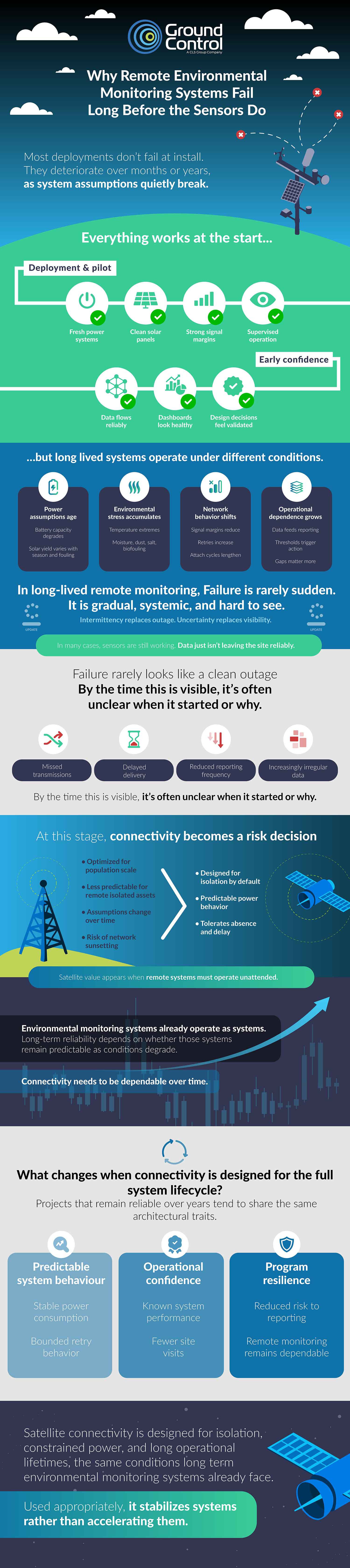
Remote environmental monitoring systems rarely fail all at once. Performance erodes gradually; data gaps widen, devices fall offline intermittently, power budgets tighten, and maintenance intervals shrink. Over time, reliability drops below what the original design assumed. The infographic below summarizes the most common technical and operational factors behind that decline, based on long term field observations across utilities and remote environmental monitoring deployments.
Many of these patterns may be familiar to you, yet their cumulative impact over five to ten years is less visible. Long term degradation is typically captured in post-mortems, warranty data, and support logs rather than formal reporting, so systemic reliability issues are often inferred from truck rolls or unexplained data loss instead of addressed at the design stage. Connectivity selection, power design, enclosure strategy, and remote management capability all shape lifecycle performance. Understanding these failure modes helps frame more durable trade-offs early, particularly where hybrid cellular and satellite options are being considered.
Helping OEMs Choose
For sensor OEMs, long term reliability increasingly shapes product selection and channel acceptance. Coverage variability, power constraints, integration overhead, and regulatory requirements all influence whether satellite or hybrid connectivity is commercially viable within your portfolio.
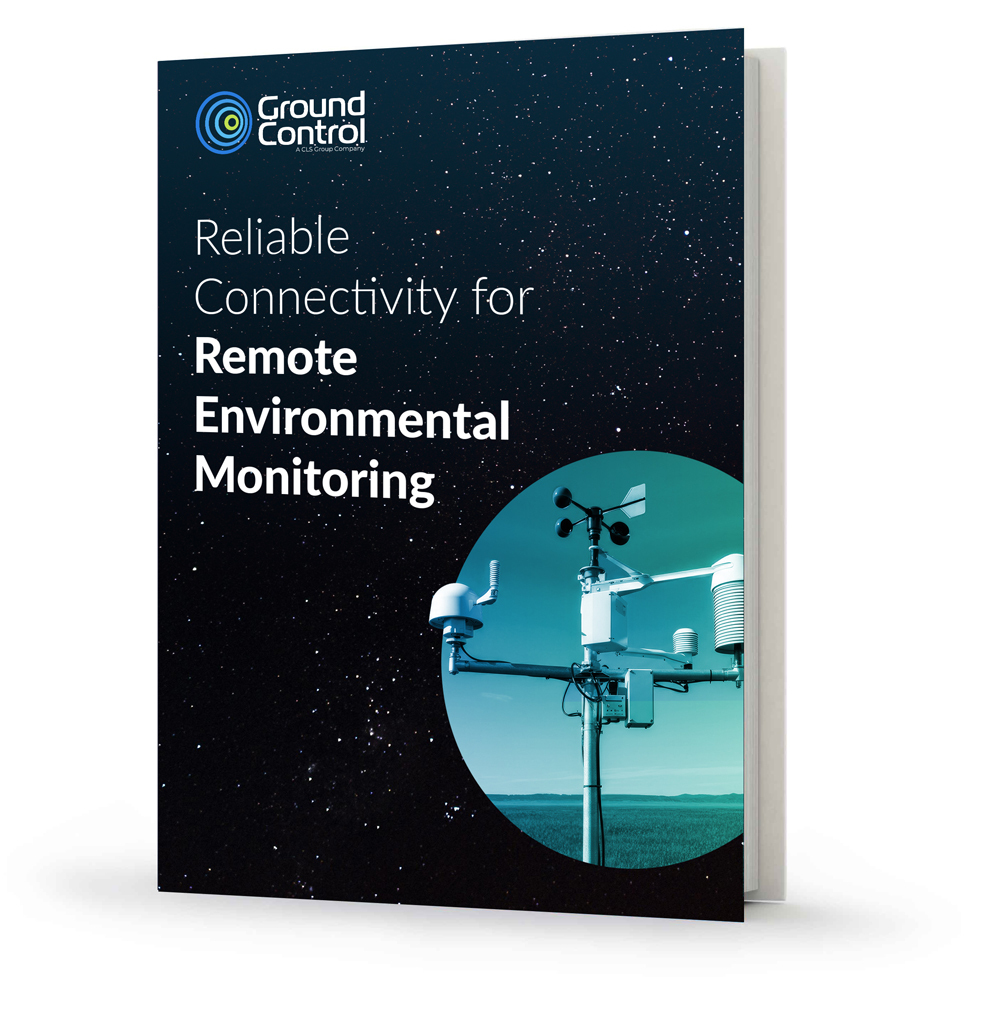
Our Environmental Sensor OEM connectivity guide outlines practical integration models, device classes, lifecycle considerations, and where satellite and hybrid designs materially reduce field failure risk. It is structured to support internal technical and commercial evaluation.
Designing for Long Term Remote System Performance
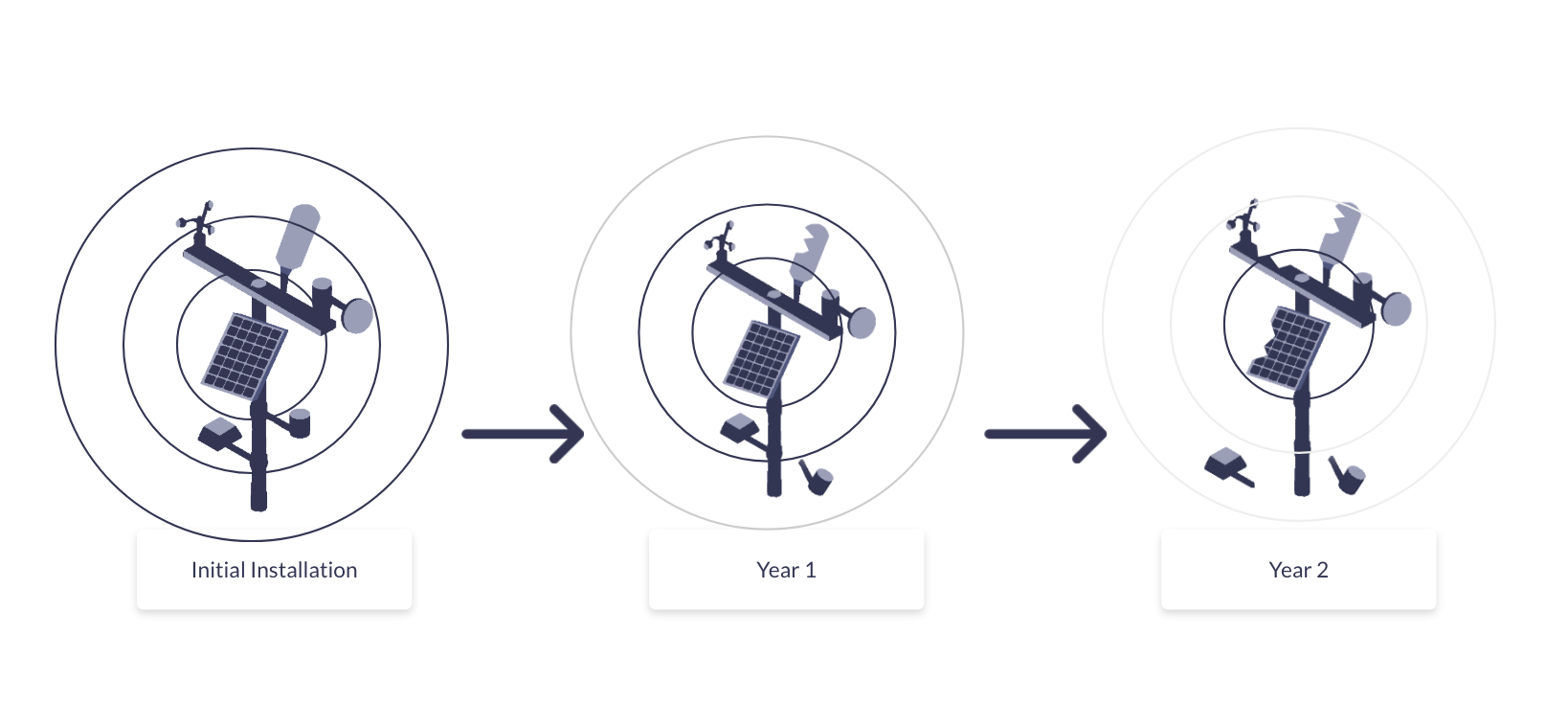
If you’re designing for durable performance over the full deployment lifecycle of your remote environmental monitoring system, that means balancing coverage, power budget, data volume, enclosure design, remote management, and maintenance costs before scale amplifies weaknesses.
Satellite and hybrid architectures introduce different trade-offs depending on reporting frequency, firmware strategy, and site accessibility. Reviewing these options early helps reduce unplanned site visits and sustain data continuity over years, not quarters.
We’ve written more about this in our blog: Designing for Power and Reliable Data Delivery Under Uncertain Connectivity.

Find out more
If you are reviewing a current deployment or planning a new one, we can provide structured technical input based on your use case, power constraints, data profile, and coverage requirements. We design and manufacture our own devices and also support third party satellite hardware, so recommendations are aligned to lifecycle performance rather than a single product line.
If you complete the form with a brief outline of your application and constraints, a member of our engineering or technical support team will respond with impartial, practical guidance.